"I am the Polish Manor House that guards bravely and serves faithfully."
- Jan Kochanowski Polish poet of Renaissance.
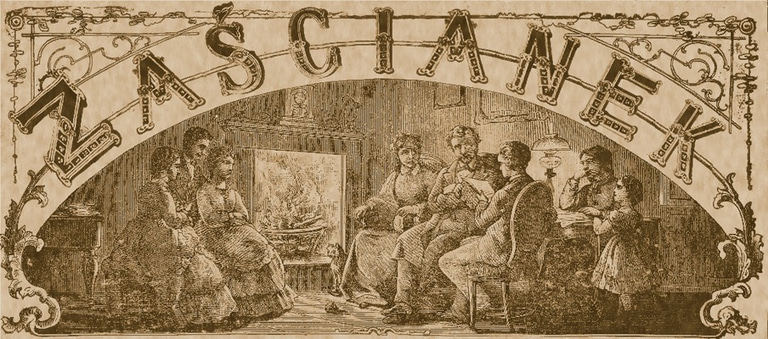
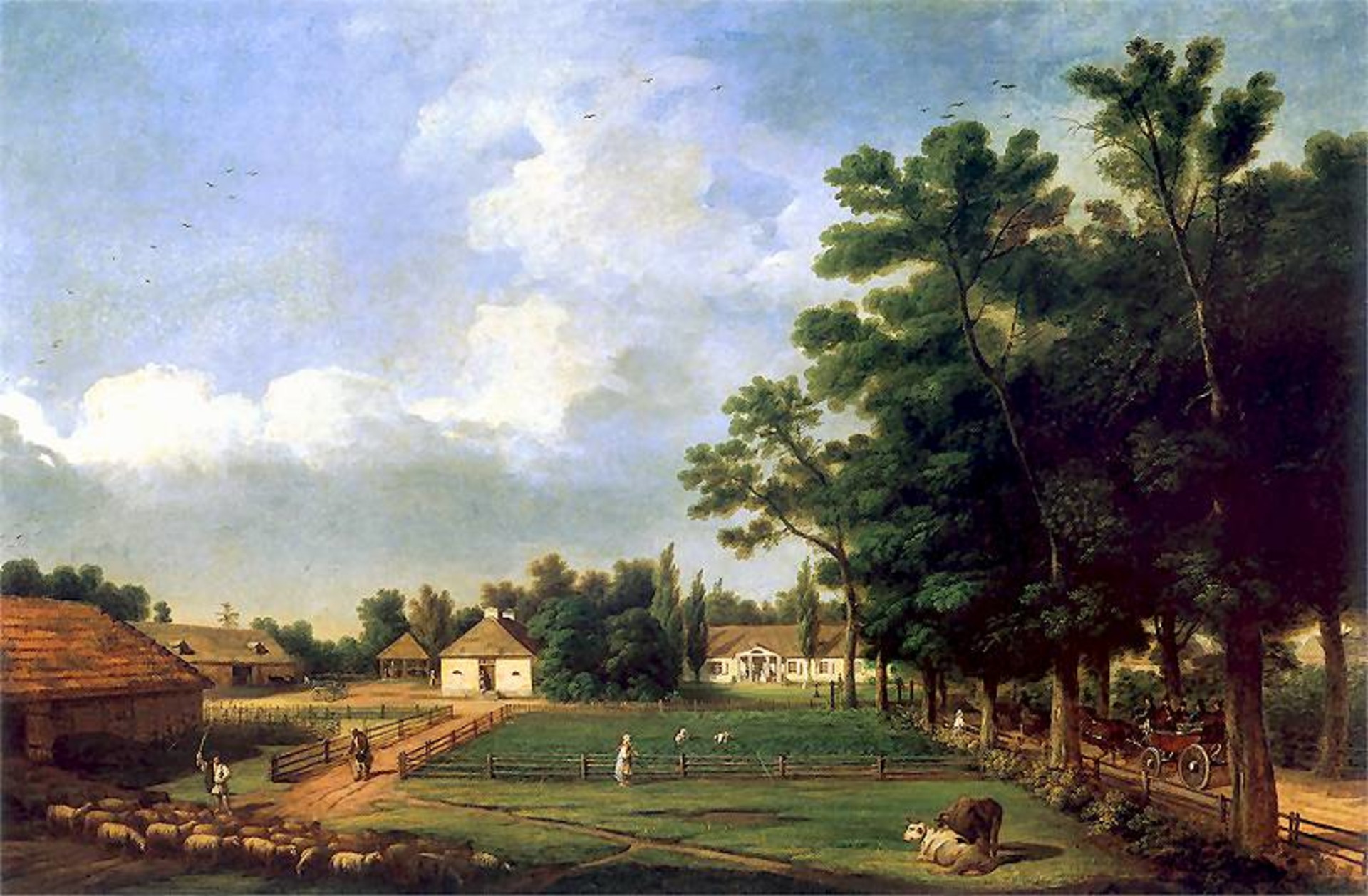
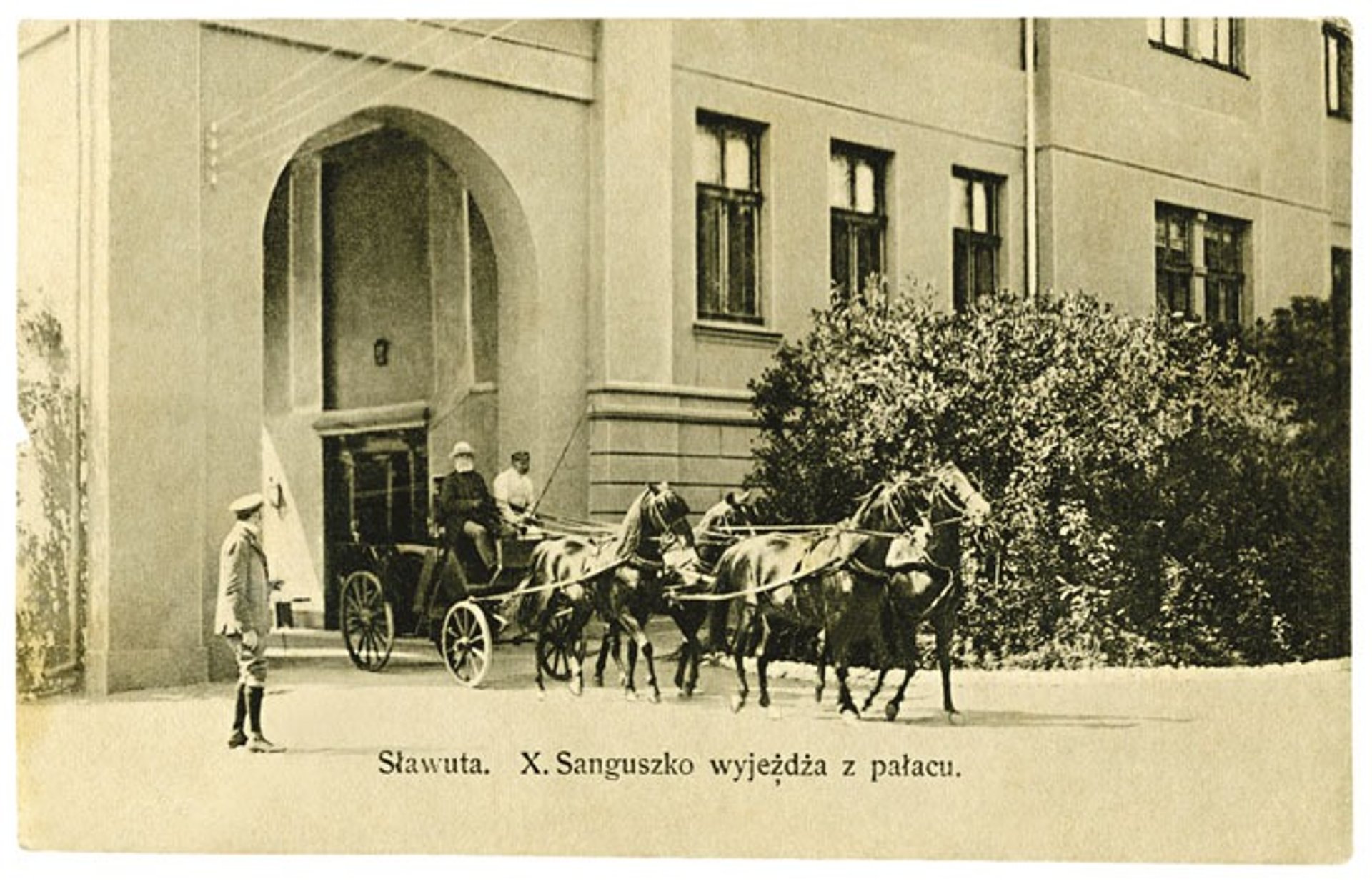
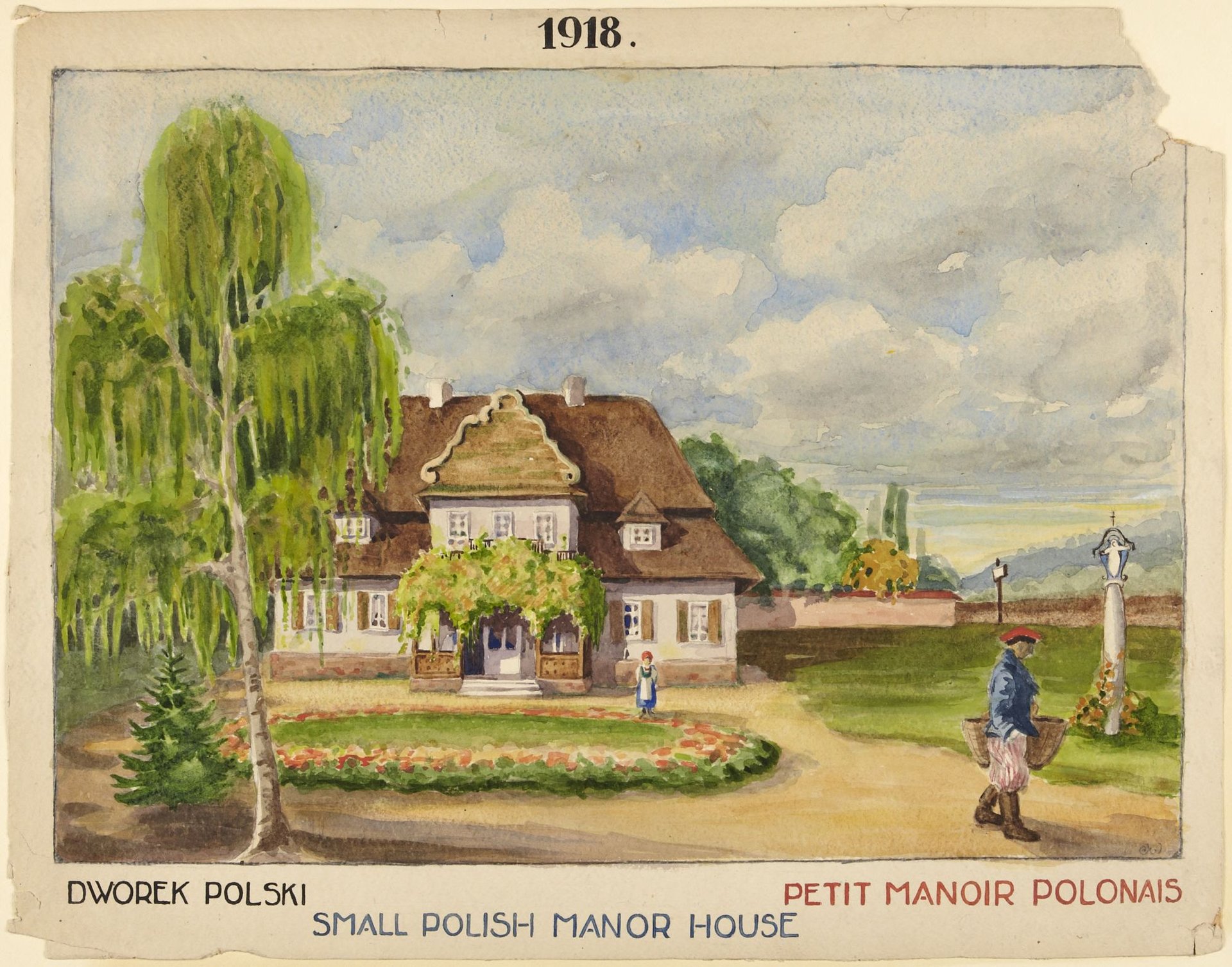
Polish Manor Houses were one of the most impressive characteristics of the Polish countryside, and give a unique insight into the country's history and culture. Since the very beginning of the Polish state, these houses were built by knights as defensive enclaves. Zascianek describes the smallest Polish Manor House, having a literal meaning Behind the Wall - closest to the guarding wall, like Avant-guard-front line soldiers.
The Polish Manor House operated for over 1050 years, from the beginning of Polish History when with Baptism of Poland occurred in year 966, until it’s complete destruction by German Nazis and Russian Communists during the and after the WWII. During the oppressive occupation of post world war II by the Soviet Union, the Polish Manor House played their role for the last time: guarded bravely, protected the nation, served faithfully through the use of the homesteads for purposes of harboring conspiracy resistance cells of the actions called "Shield" (or "Cultivation", "Protection", "S1") which coordinated the work as a material base for food, shelter, and medical support, and trade of cash goods, for the good of the people.
Guardians of Polish Heritage
Sharing stories of zaścianek manor houses, legacies, and forgotten chapters of Polish history.
Heritage Preserved
I am starting this magazine to serve the Truth by sharing my knowledge of an aspect of little-known history and tradition that is not publicized by the press, for whatever reason. Yet this history is something we cannot—and must not—repeat, but it is happening again right in front of our eyes. To enjoy democracy is to understand how precious and vulnerable it is, and how much sacrifice is required to protect it.
In Poland, a major step forward in our fight for faith and freedom from the oppressive Russian oligarchy imposed especially after World War II only occurred this year, in 2016. The gates of history and knowledge are once again open for us to rediscover, and the people of Poland and the world can embrace what free life was like before it was successfully invaded by a ruthless dictator.
In addition, I would like the efforts of faithful knights like my father, and the historical journals of my brother, to remain immortalized in some way. They all fought against Stalin’s self-righteous and unreasonable policies, andwere executed or jailed as a result of participating in the underground resistance.
I also feel that this magazine—which is inspired by a pre-war publication for landowners and farmers called Ognisko Domowe—is timely, now that President Duda’s election has finally made it safe for the Polish people to publicize the Truth about their past. Although most of the nobles, the educated, and the thought leaders of pre-war Poland were killed and their homesteads burned, their legacy remains preserved in secretive books and journals archived around the world. Moreover, Polish tradition has inherently preserved the stories that are ready to be retold.
Those who robbed Polish assets miscalculated, because even without a material base, we remained strong through our Faith expressed in our culture. The murderers also miscalculated, as the blood of Polish martyrs has grown a new generation of knights who have fought to regain their homeland. We are still Polish, as St. John Paul II said in his United Nations address.
I hope to utilize my education and experience in sociology and history to re-educate the public about the original United States of Poland, where the monarchy was elected without prejudice, and where Jews, Protestants, Calvinists, Eastern Orthodox believers, and members of all other religions lived harmoniously with Catholics in a united, yet diverse and extremely prosperous kingdom.
The Respublica Serenissima, or Most Serene Republic, was a Polish democracy that lasted longer than any other in the world and covered the largest territory, where its citizens enjoyed more privileges than those in other European monarchies. These privileges for the masses included voting and owning land, privileges for women, protection of the weak and disabled
Unfortunately, it is truly difficult to find accurate documentation today, as the mass media has established inaccurate depictions of Poland. I hope to correct such misleading information and set the record straight by reprinting documents, articles, sections of books, and literature that have been neglected, lost, or not made public by the mass media.
You will see that there is very little reason to boast of any socio-political issues today as new, because the reality is that our modern-day experiences are tragically being repeated.
I hope you enjoy this magazine.
- Zaścianek
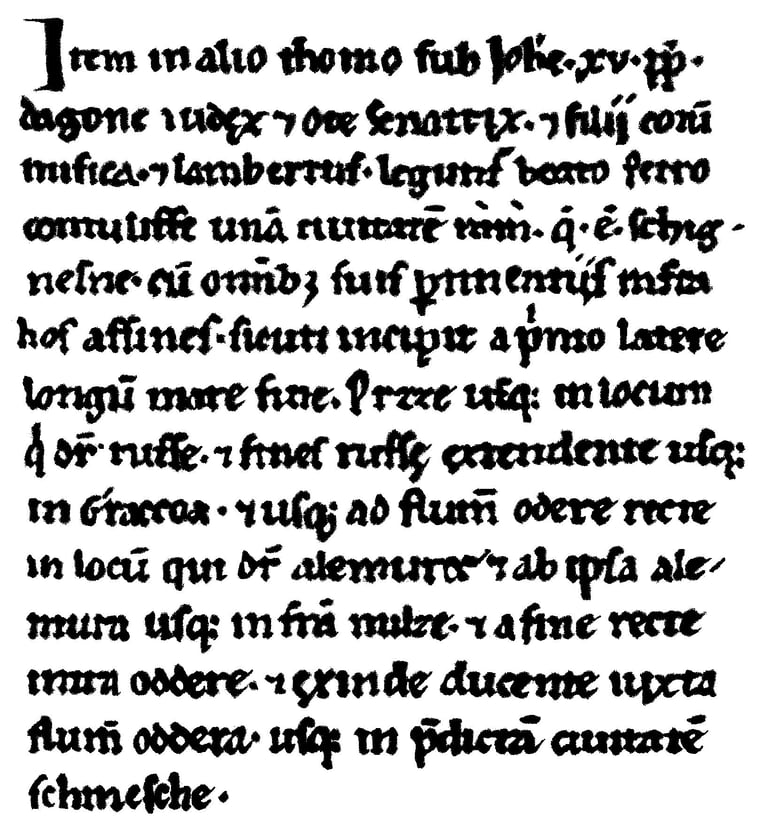
Dagome Iudex
Dagome iudex is one of the earliest historical documents relating to Poland. The reference is for Poland to pay homage to St. Peter and the Vatican Apostolic See. See Wikipedia for additional information.
Contact
Questions or stories? Reach out anytime.
Phone
info@zascianek.org
+1-212-555-0198
© 2025. All rights reserved.